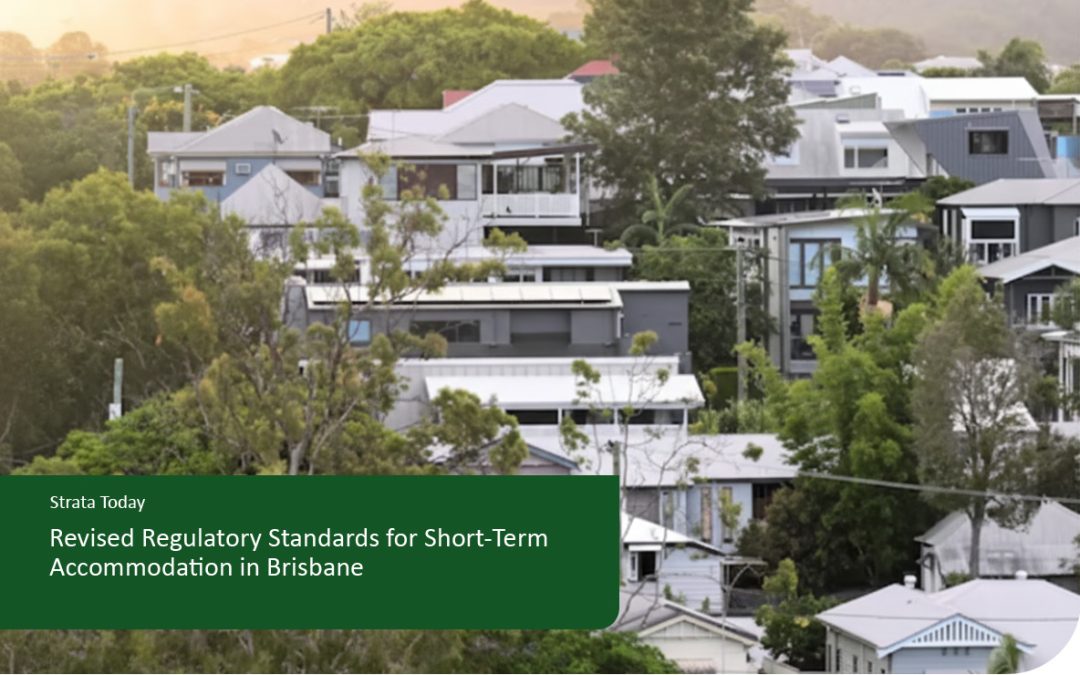
Late last year Brisbane City Council announced landmark reforms to better regulate short stay accommodation in low density suburbs. The proposed changes will be included in a new local law with the council hoping to have it in place by July 1st this year. These reforms will mean residents who live in Brisbane’s low-density suburbs will essentially be banned from leasing their property on short-stay platforms such as Airbnb and Stayz.
Property owners in low or low-medium zoned areas will need to get an appropriate development approval or cease operating as a short-stay accommodation. The reforms will also require owners who can still lease their properties on the short-stay market to get a permit before doing so. Owners who fail to get a permit while operating their property as a short-stay rental could be fined more than $140,000.
As part of the permit changes, operators will need to nominate a 24-hour contact to respond to complaints within an hour and report back to the council within 24 hours.
Operators will also need to provide house rules to guests, and they will need to get public liability insurance. In an attempt to stop short-stay accommodation providers disturbing neighbours the council will also implement a three-strikes policy.
Operators who get three warnings from the council over a three-year period will have their permit revoked. Under the changes, council would liaise directly with the nominated 24/7 contact person, who would be responsible for managing and responding to complaints. Immediate noise, anti-social behaviour, crime and safety issues would continue to be handled by the Queensland Police Service.
As part of applying for a permit; short stay operators will also need property owner consent, must notify their body corporate where applicable and ensure the property is correctly zoned under the Brisbane City Plan. The cost of the permit is to be determined but will be cost recovery only. Hotels, emergency and social housing, serviced apartments with 24/7 onsite management, and home-based bed and breakfast businesses will remain exempt from permit requirements.
SCAQ General Manager Laura Bos said the changes provide much needed clarity for bodies corporate and will support stronger community outcomes across Brisbane’s growing strata sector.
“These reforms provide bodies corporate with clearer rules and a consistent framework for managing short-term letting within their buildings, which has been needed for some time.
Clear conditions, enforceable penalties, and structured problem management requirements are critical to protecting residential amenity, particularly in buildings where the majority of residents live permanently. “These reforms support a more balanced, predictable and respectful approach to short stay accommodation in strata communities,” said Ms Bos.
Lord Mayor Adrian Schrinner said the move would help return hundreds of homes to the long-term rental market while ensuring short stays could still operate in parts of the city. Meanwhile, the Council will continue to advocate for changes to the QLD’s strata legislation to give other owners greater say over whether short stay accommodation can be operated in their scheme.
The proposed local law is up for public consultation until 16 February 2026 and will then undergo State Government review before returning to Council for final approval and adoption.