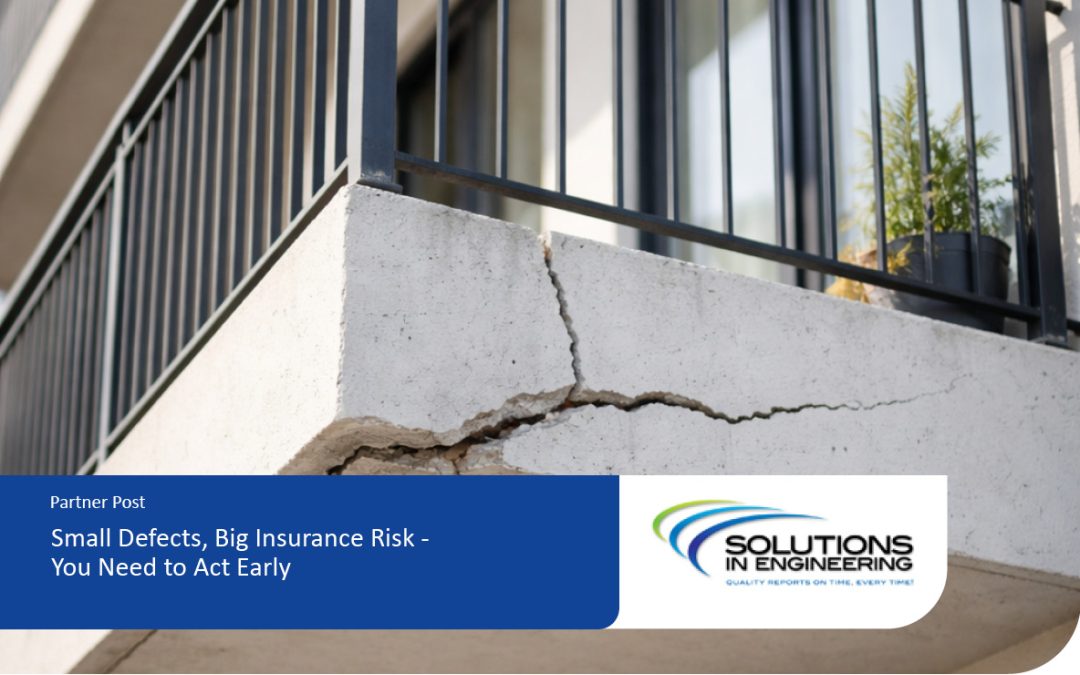
In today’s strata environment, obtaining and maintaining body corporate insurance is becoming increasingly challenging. Across Australia, insurers are tightening their requirements, premiums are rising, and many schemes are discovering that even small building issues can have a major impact on their ability to secure cover.
Insurance Is No Longer Automatic
Body corporate insurance used to be a fairly straightforward annual renewal. However, recent years have brought significant changes. Insurers are now facing higher claim volumes, rising building repair costs and more frequent extreme weather events. As a result, many bodies corporate are experiencing:
- Higher premiums
- Larger excesses
- More exclusions in policies
- Increased scrutiny of building condition
- Difficulty finding insurers willing to provide cover
- Delays in accessing qualified remediation services
This shift means insurance is no longer guaranteed, especially for older buildings or schemes showing signs of deterioration.
The Hidden Risk of Leaving Minor Issues Untreated
One of the biggest factors affecting insurability today is deferred maintenance. Issues that appear minor at first can indicate deeper building risk if left unresolved.
Examples include:
- Small roof leaks
- Early waterproofing failure
- Cracking or movement in balconies
- Rusting structural elements
- Drainage issues and water ingress
- Damp or mould appearing in common areas
To owners, these may seem manageable. To insurers, they can signal a building that is becoming high-risk and it cane also become a large remedial issue for owners.
How Deferred Maintenance Impacts Insurance
Leaving minor repairs unattended can lead to serious consequences, including:
- Difficulty Renewing Policies
Insurers may refuse to renew cover until repairs are completed or proof of maintenance is provided.
- Higher Premiums
Buildings perceived as high-risk often face significantly increased insurance costs.
- Denied Claims
Insurance generally covers sudden and unexpected events — not damage caused by neglect. If an issue worsens over time, insurers may reject claims on the basis that it was preventable.
- Special Levies for Owners
When insurance does not respond, the cost of repairs falls directly on the body corporate, often resulting in large special levies and financial strain for owners.
Early Engineering Intervention Is the Key
In the current insurance climate, bodies corporate need to move beyond reactive repairs and adopt a more proactive, engineering-led approach.
Early engineering intervention helps identify building issues at their source, before they escalate into major structural defects, insurance disputes, or costly rectification projects.
Solutions in Engineering Supports Early Intervention
At Solutions in Engineering, our focus is on early-stage building intervention and preventative action. Working alongside bodies corporate, we assist in identifying and addressing defects early, reducing long-term risk and improving insurability.
For body corporate owners, the message is clear: small building issues left too long can quickly become major financial and insurance problems.
In today’s market, early engineering intervention is one of the most effective ways to protect your building, reduce risk, and strengthen your position with insurers.
Partnering with professionals like Solutions in Engineering ensures your scheme is supported with proactive expertise, before minor defects become major liabilities.